Tips for Introducing Solids
#WeaningWeek
- Carole Evans, Family Support Worker
Starting your baby on solid foods can feel like a big step, and it’s completely normal to have lots of questions. Weaning is a journey, not a race, and every baby is different. Here are some gentle, practical tips to help make the transition smoother—for both you and your little one.
Take It Slow
It’s perfectly normal for babies to refuse food at first. They’re getting used to new textures, smells, and tastes. Start slowly and follow your baby’s lead. Remember, milk will still be their main source of nutrition in the beginning.
Embrace Finger Foods
Finger foods are a great way to encourage self-feeding. Aim for pieces that are easy for baby to hold—think finger-sized sticks or large items like a whole (but manageable) strawberry that can’t be swallowed in one go.
Stay Calm at Mealtimes
Babies are incredibly intuitive and can pick up on your emotions. Try to stay relaxed—even if your baby isn’t eating much or things feel chaotic. Mealtimes should be a positive, pressure-free experience.
Mess Is Part of the Process
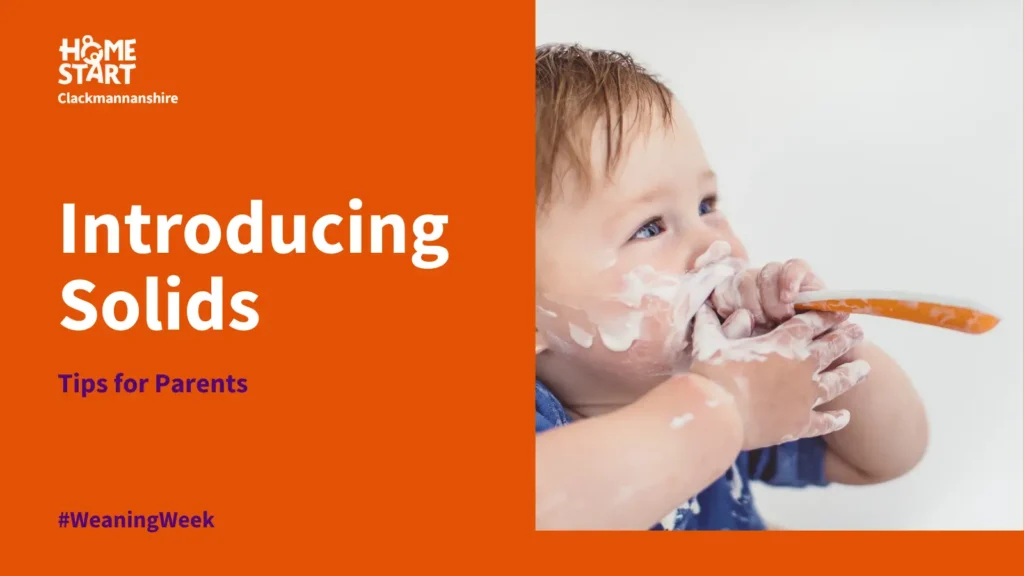
Yes, it gets messy! But it’s all part of your baby learning and exploring. A few helpful tricks: place an old shower curtain or mat under the highchair, and consider a food-catching bib. Letting your baby touch, squish, and play with food is a valuable part of the learning process.
Make the Most of Small Portions
To avoid waste, try preparing small amounts and freezing them in ice cube trays. This makes it easy to offer a variety of tastes without the pressure of finishing a large portion.
Start with Veggies
Vegetables are a great first food—whether fresh, frozen, or tinned (choose those with no added salt). Offer a variety and keep trying, even if your baby doesn’t seem keen at first. It can take several tries before they decide if they like something!
Note: Hard vegetables like raw carrot can pose a choking risk for babies under one. Always offer these cooked and soft enough to squash between your fingers.
Safe Fruit Prep
Fruits like satsumas are a lovely choice—just break them into segments and remove any pips and pith. Grapes should always be cut lengthways into quarters to avoid choking hazards.
Gagging vs. Choking – Know the Difference
It’s natural to feel anxious about choking, but it’s important to know the difference:
- Choking happens when food blocks the airway and the baby can’t breathe. This is a medical emergency.
- Gagging is a protective reflex that helps prevent choking. Your baby might cough or bring food back up—it can look alarming, but it’s normal and very common during weaning. Try to stay calm, and always supervise your baby while they’re eating.
Keep It Positive
Go at your baby’s pace and don’t be afraid to offer new foods—even ones you may not love yourself! Your enthusiasm can make a big difference. Be encouraging, and keep mealtimes a low-pressure, enjoyable experience.
Where to Find More Support
You’re not alone on this journey. Great weaning tips and recipe ideas can be found on trusted sites like:
- BBC Tiny Happy People
- NHS Start for Life
- The Home-Start Team – speak to us for personal advice and support
Weaning is a learning experience for everyone involved—there will be messy moments, but also lots of fun and discovery. You’ve got this!